
5 Steps to creating a kitchen Lighting Plan
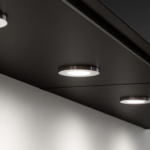
1. Light in Layers
Splitting lighting into three categories:
Task > Convenience > Mood
Giving you the opportunity to layer your lighting and elevate your kitchen design further.
Start with task lighting, areas where you need to complete a task e.g. Food preparation
Transition into convenience lighting inside cupboards or drawers and then consider how mood lighting could create an ambient atmosphere.
2.Factor in the power
Creating multiple zones of lighting calls for power to different parts of the kitchen.
It’s much easier to install the wiring before the kitchen installation, so plan where wiring needs to be included so you can power the lights once installed. Think about the wall units, base units and the island unit if you want to create feature lighting under worktop edges or plinths. Take a look at Luce TrioTone Plinth Lighting
3.Compliment the design
Is the kitchen contemporary or traditional? This may help inform the style of fitting you choose but also the colour temperature of the lights.
Warm white LEDs complement features like wood surfaces, whereas cool white LEDs are more suited to contemporary style kitchens. Natural white is versatile and compliments a wide range of design finishes. Check out Apex Spotlights
4. Get Creative
Much more than a functional feature, lights can truly transform a space. Zoning the lights so they run from different switches really helps make the most of the space as you’re in control of which lights turn on and when.
5. Compliment with colour
Lighting elements can be controlled either together or separately depending on the kind of lighting you install and how the kitchen space will be used.
You may want all the under-cabinet lighting to turn on together, or the kitchen cupboards to light up when the cupboard door is opened, or you may want to create a relaxing ambience with feature lighting switched on with the touch of a remote or smart phone app. Browse Smart Drivers